
BLOG
100% LOCAL
FAMILY BUSINESS
3+ YEARS EXPERIENCE
FULLY LICENSED
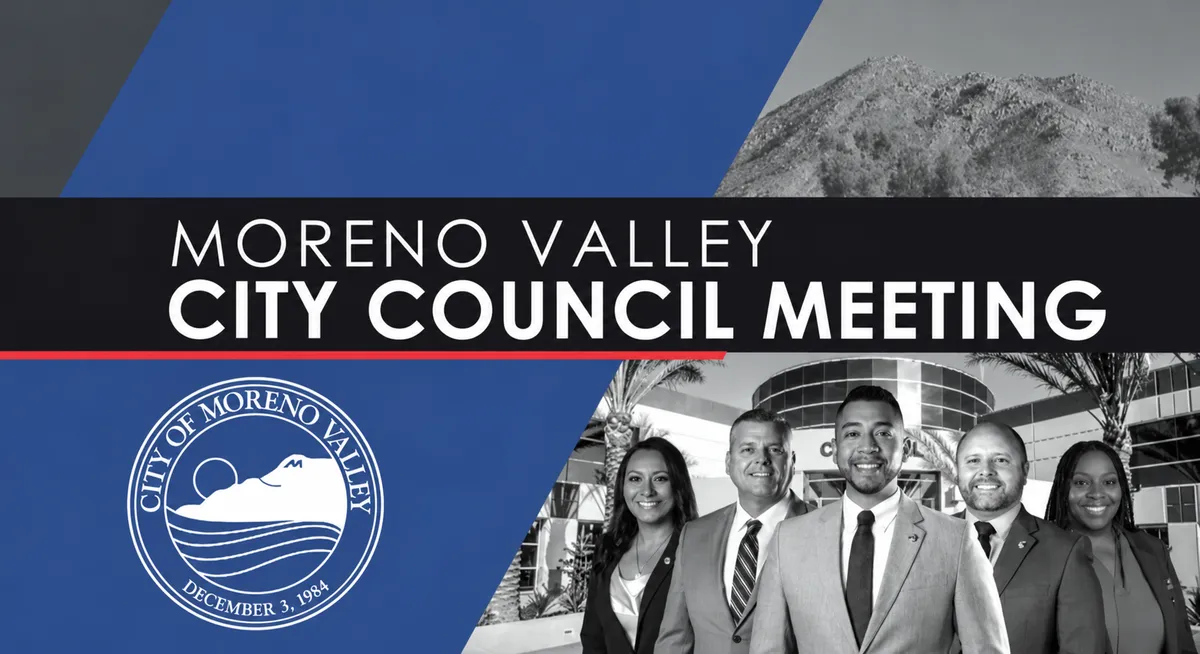
October 13 City Council Study Session
Date: October 13, 2026
Key Takeaways & Opportunities
1. Local Shoppers Are Spending Elsewhere ($116M+ Leaving Moreno Valley)
City Economic Development data shows that Moreno Valley residents are leaving city limits every month to buy everyday goods and services in Riverside, Perris, and Redlands.
Dining & Fast-Casual: $10M in annual sales leaves the city (over 500,000 trips/year made elsewhere).
Gas & Convenience: $106M in lost annual sales (costing the city over $1 million in lost local tax revenue).
Car Washes & Services: 17,000 trips per month are taken outside city limits.
The Opportunity: Strong local customer demand is currently unmet. Food service, specialty retail, and personal service businesses that give residents a local alternative stand to capture significant market share.
2. Commercial Real Estate & Space Availability
Industrial & Flex Space: Moreno Valley’s industrial vacancy rate is low at 4.8% (17 vacant buildings out of 119), compared to ~9% across the broader Inland Empire.
Small-to-Mid Footprints Available: Most current vacancies are under 100,000 sq. ft. While too small for major logistics operators, these spaces are well-suited for expanding local companies, commercial kitchens, maker spaces, and light industrial trades.
Property Use Rules Near March ARB: 9 of the 17 vacant industrial spaces sit within Airport Land Use Commission (ALUC) safety zones near March Air Reserve Base.
Occupancy Limit: Capped at 25 people per acre.
What Fits: Warehouse storage, equipment staging, distribution, or automated light operations.
What Doesn't Fit: High-traffic retail, event centers, or dense assembly space.
3. City Incentives May Be Opening Up
Historically, the City of Moreno Valley rarely offered tax-sharing agreements or developer deals in the past (only two in city history).
The Policy Shift: City Manager Brian Mohan confirmed staff is actively exploring tax-sharing models and local business incentives (similar to programs used in Ontario) to attract sit-down dining, commercial anchors, and medical services.
What This Means: If you are planning an expansion or major space buildout, the city is far more willing to work with you on tax arrangements, streamlined permitting, and financial assistance programs.
4. Strong Push for Community-Focused Business Models
Both public testimony and City Council feedback pushed for moving away from single-use developments like stand-alone car washes, self-storage, and basic warehouses.
In-Demand Concepts:
Sit-down restaurants and family dining
Youth and family recreation (indoor sports facilities, family entertainment)
Maker spaces, artisan markets, and food incubator kitchens
Health, wellness, and medical offices
Specialty grocery options
Adaptive Reuse: There is high interest in converting underutilized commercial spaces into vibrant community hubs, shared workspaces, or indoor recreation spots.
Action Plan for Local Business Owners
Capture Local Dollars: If you operate in food service, personal services, or specialty retail, adjust your marketing to target local commuters and families. Emphasize convenience and local presence to capture the spending currently leaking to neighboring cities.
Explore Flexible Spaces: If your business needs square footage (such as fitness studios, children's recreation, or commercial food prep), work with commercial brokers to look at light industrial spaces located outside the March ARB high-restriction safety zones.
Engage Economic Development Early: Contact the Moreno Valley Economic Development Department before signing leases or starting buildouts. Ask about upcoming economic incentives, streamlined permitting routes, or tenant improvement support.
Source: https://youtu.be/YuEZZv7Dmvo

READY TO take the next step?
get a free quote TODAY!
Out West
Gunsmith
(928) 530-7339
CONTACT

OPERATING HOURS
Sun: 7:00am - 7:00pm
Mon: 7:00am - 7:00pm
Tue: 7:00am - 7:00pm
Wed: 7:00am - 7:00pm
Thu: 7:00am - 7:00pm
Fri: 7:00am - 7:00pm
Sat: 9:00am - 4:00pm